Here is something that would have seemed like science fiction thirty years ago: approximately 95% of your serotonin — the primary mood-regulating neurotransmitter — is produced in your gut.
Not your brain. Your gut.
The emerging field of gut-brain research has fundamentally changed how scientists understand mood, anxiety, depression, and mental wellbeing. And it has significant, practical implications for how you take care of yourself every day.
The Gut-Brain Axis Explained
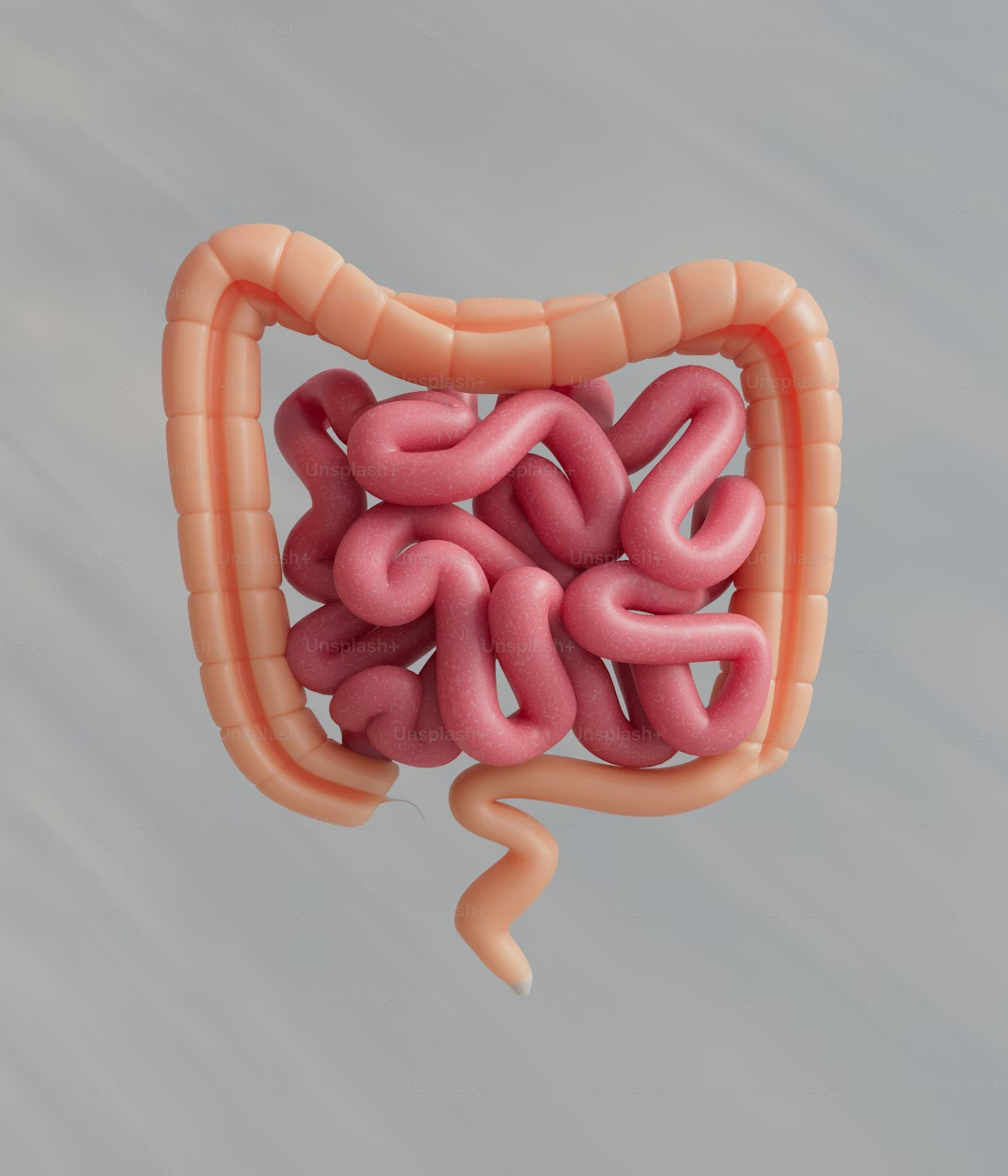
Your gut and brain are connected by the vagus nerve — a bidirectional communication highway that carries signals in both directions. This connection is called the gut-brain axis. Your gut also contains what researchers call the enteric nervous system — a network of over 100 million neurons lining your gastrointestinal tract. It’s sometimes called the second brain, and it operates largely independently of the central nervous system.
The microbiome — the community of trillions of bacteria, fungi, and other microorganisms living in your gut — directly influences this system in ways researchers are only beginning to fully understand. What’s clear is this: the state of your gut microbiome directly affects your neurochemistry, immune function, and emotional regulation.
What the Research Shows
- Serotonin: Approximately 90–95% of serotonin is produced in the gut. The composition of your microbiome influences how much is produced.
- GABA: Certain gut bacteria produce GABA, the primary inhibitory neurotransmitter associated with calmness and reduced anxiety.
- Inflammation: An unhealthy microbiome increases systemic inflammation, which is now strongly linked to depression. A 2019 meta-analysis found that inflammatory markers are significantly elevated in people with major depression.
- Stress response: Research shows that germ-free mice raised without gut bacteria have exaggerated stress responses — suggesting gut bacteria directly calibrate the body’s stress response system.
Signs Your Gut Health May Be Affecting Your Mood
- Persistent low mood or anxiety without clear situational cause
- Digestive issues — bloating, irregular bowel movements, IBS — alongside mental health symptoms
- Strong sugar cravings — certain gut bacteria thrive on sugar and influence cravings
- Brain fog and poor concentration
- Poor immune function — frequent colds or infections
- Poor sleep quality despite good sleep habits
7 Evidence-Based Ways to Improve Gut Health and Mood
1. Eat More Fibre
Dietary fibre feeds beneficial gut bacteria. Most people eat far less than the recommended 25–35g daily. Increase your intake through whole grains, legumes, vegetables, fruits, and seeds. Even small increases make a measurable difference to microbiome diversity.
2. Add Fermented Foods
Fermented foods contain live beneficial bacteria. Research from Stanford University found that a high-fermented food diet increased microbiome diversity and reduced inflammatory markers more effectively than a high-fibre diet alone. Indian options include curd (dahi), idli, dosa batter, kanji, and traditionally fermented pickles. Global options include kefir, kimchi, sauerkraut, and miso.
3. Reduce Ultra-Processed Food
Ultra-processed foods — packaged snacks, fast food, refined sugar — disrupt microbiome diversity and promote pro-inflammatory bacterial strains. This is one of the clearest diet-mood connections in current research. You don’t need to be perfect — a general shift toward whole foods makes a significant difference.
4. Manage Stress
Chronic stress directly damages the gut microbiome and increases intestinal permeability. Yoga, meditation, and breathwork aren’t just for your mind — they measurably benefit your gut health too. The gut-brain relationship works in both directions: a calmer mind supports a healthier gut.
5. Consider Probiotics
Certain probiotic strains have been studied specifically for their mental health effects — termed psychobiotics. Lactobacillus acidophilus and Bifidobacterium longum strains have shown promise in reducing anxiety and improving mood in clinical studies. Choose a multi-strain product and consider rotating brands every few months. Consult a doctor before starting supplements.
6. Prioritise Sleep
Sleep deprivation disrupts gut microbiome composition within days. The relationship is bidirectional — gut bacteria influence sleep, and sleep influences gut bacteria. Improving your sleep is one of the most effective things you can do for both gut and mental health simultaneously.
7. Move Your Body
Exercise increases microbiome diversity independently of diet. Even 30 minutes of moderate movement daily — walking, yoga, cycling — produces measurable microbiome benefits within weeks of starting.
The Gut-Mood Connection: A Daily Checklist
- Eat at least one serving of fermented food daily — dahi, idli, kimchi
- Include vegetables or legumes with every main meal
- Drink enough water — hydration supports digestive function
- Manage stress through movement, breath, or meditation
- Prioritise 7–9 hours of sleep
- Minimise alcohol and ultra-processed food
- Move your body for at least 20–30 minutes daily
Frequently Asked Questions
Can gut health cause anxiety? Research suggests the relationship is bidirectional — anxiety affects gut health, and gut dysbiosis appears to contribute to anxiety. It is rarely a single cause-and-effect relationship but rather a reinforcing cycle in both directions.
How long does it take to improve gut health? Microbiome composition can change meaningfully within 2–4 weeks of dietary changes. More stable, lasting changes develop over 3–6 months of consistent healthy eating.
Should I take a probiotic supplement? For most people, dietary fermented foods are the best starting point. If you have specific gut or mental health concerns, consult a doctor or registered dietitian before adding supplements.
Is leaky gut real? Increased intestinal permeability — commonly called leaky gut — is a recognised medical condition being actively researched. It refers to a compromised gut lining that allows substances to pass into the bloodstream, potentially triggering inflammation. It is real, though its role in specific conditions is still being studied.
Your Gut Is Listening to Everything
What you eat, how you sleep, how stressed you are, how much you move — your gut responds to all of it, and communicates that response directly to your brain. This is not a reason to feel overwhelmed. It’s a reason to feel empowered. The same daily practices that support your mental health — eating well, sleeping enough, managing stress, moving your body — also support your gut. You’re not doing two things. You’re doing one thing with two benefits. Start with one fermented food today. Your gut — and your mood — will notice.