Anxiety lives in the body.
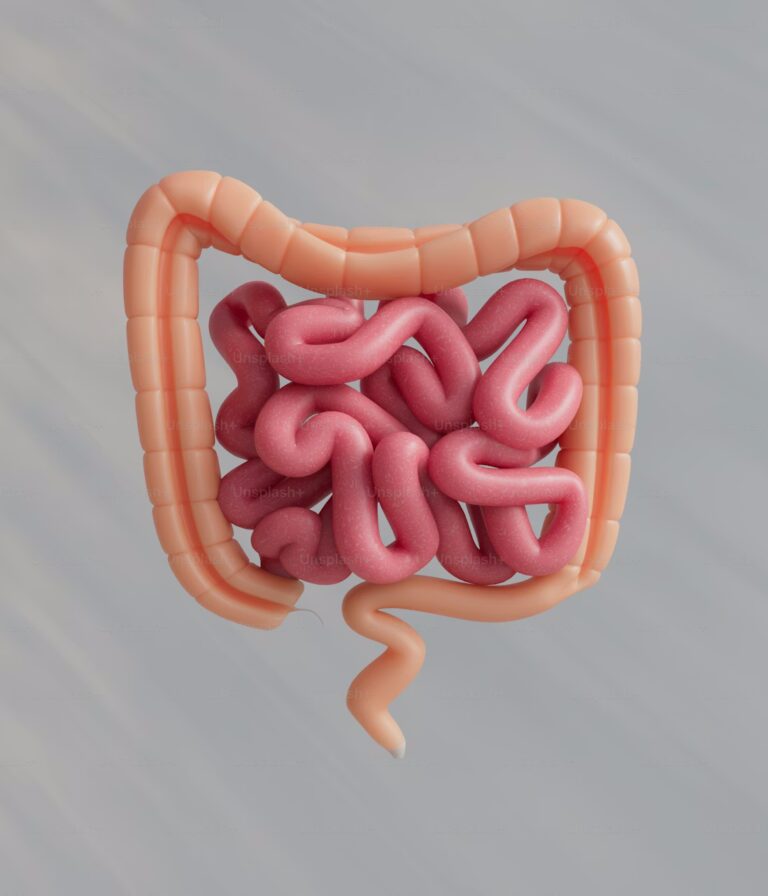
You feel it in your chest — that tightness that arrives before a difficult conversation. In your shoulders, held high and hard without you noticing. In your belly, the low hum of unease that doesn’t quite go away. In your breath, which has become shallow and restricted without you ever deciding it should be.
This is not a metaphor. Anxiety is a physiological state. Your nervous system is stuck in activation mode — flooding your body with stress hormones, keeping your muscles braced for a threat that isn’t coming.
Yoga works for anxiety precisely because it works directly with the body and breath — not around them. Specific poses activate the parasympathetic nervous system, reduce cortisol, and teach the body that it is safe to unclench.
Why Yoga Works for Anxiety
A 2018 systematic review in the Journal of Evidence-Based Medicine reviewed 25 studies and found yoga significantly more effective than control conditions in reducing anxiety symptoms. The mechanisms include vagal activation through forward folds and inversions, measurable cortisol reduction even in a single session, improved ability to sense and regulate internal body states, and slow yoga breathing that activates the body’s natural calming response.
8 Best Yoga Poses for Anxiety Relief
1. Child’s Pose (Balasana)
The gentle compression of the belly activates the parasympathetic nervous system. The forward fold posture itself is psychologically calming — it signals safety and withdrawal from threat. Kneel and sit back on your heels. Extend your arms forward, rest your forehead on the mat. Breathe slowly and deeply for 1–3 minutes.
2. Legs Up the Wall (Viparita Karani)
This gentle inversion reverses blood flow, stimulates the vagus nerve, and is one of the most consistently recommended poses for anxiety in yoga therapy research. Lie on your back near a wall, extend your legs straight up and rest them against it. Arms rest softly at your sides, palms up. Stay for 5–10 minutes.
3. Seated Forward Fold (Paschimottanasana)
Forward folds activate the rest-and-digest response. They also require surrendering — physically and mentally — which directly counteracts the hypervigilance of anxiety. Sit with legs extended. Inhale, lengthen your spine. Exhale, hinge at the hips and fold forward. Hold for 1–3 minutes, breathing steadily.
4. Supported Bridge Pose (Setu Bandha Sarvangasana)
Opens the chest and throat — areas where anxiety physically manifests as tightness. The gentle backbend counters the collapsed, protective posture anxiety produces. Lie on your back, knees bent, feet flat. Lift your hips and slide a yoga block or folded blanket under your sacrum. Rest here for 2–5 minutes.
5. Wide-Legged Child’s Pose (Prasarita Balasana)
The wider variation of Child’s Pose allows for deeper abdominal relaxation and a greater sense of groundedness. From kneeling, spread your knees wide apart, keeping your big toes touching. Lower your forehead to the mat and stretch your arms forward. Breathe here for 2–3 minutes.
6. Standing Forward Fold (Uttanasana)
Inverts the head below the heart, increasing blood flow to the brain and activating the parasympathetic nervous system. Relieves tension held in the neck and back. Stand with feet hip-width apart. Exhale and fold forward, letting your head hang heavy. Bend your knees generously if needed. Hold for 1–2 minutes.
7. Reclined Bound Angle Pose (Supta Baddha Konasana)
Opens the hips and chest simultaneously — two areas where stress is chronically stored. One of the most deeply relaxing restorative poses available. Lie on your back. Bring the soles of your feet together and let your knees fall open. Place your hands on your belly. Stay for 5 minutes, breathing into your hands.
8. Corpse Pose (Savasana)
Complete stillness with full body awareness is one of the most powerful practices for nervous system regulation. Don’t underestimate it. Lie flat on your back, arms slightly away from your body, palms facing up. Close your eyes. Consciously release every part of your body from feet to crown. Stay for at least 5 minutes. Do not skip this.
A 20-Minute Anxiety Relief Yoga Sequence
- Child’s Pose — 2 minutes
- Cat-Cow — 10 rounds, 2 minutes
- Standing Forward Fold — 1 minute
- Seated Forward Fold — 2 minutes
- Reclined Bound Angle — 4 minutes
- Supported Bridge — 3 minutes
- Legs Up the Wall — 5 minutes
- Savasana — 5 minutes
Total: approximately 24 minutes. Practice this when anxiety is high — ideally in the evening.
Tips for Practicing Yoga for Anxiety
- Move slowly — rushing through poses defeats the purpose
- Focus on your exhale — longer exhales activate calm faster
- Use props — blankets, blocks, and pillows make poses more restorative
- Dim the lights — a softer environment supports nervous system relaxation
- Practice in the evening — when anxiety tends to peak for most people
Frequently Asked Questions
How often should I do yoga for anxiety? Ideally 3–5 times per week for cumulative nervous system benefits. Even a single session can provide immediate relief.
Can yoga replace anxiety medication? No. Yoga is a powerful complementary practice. If you are on medication or have diagnosed anxiety disorder, practice yoga alongside professional treatment — not instead of it.
What type of yoga is best for anxiety? Restorative, Yin, and Hatha yoga are best suited to anxiety management. High-intensity styles like Power Yoga can temporarily increase cortisol and are less suitable.
How quickly will I feel results? Most people notice a reduction in anxiety symptoms within a single session. Consistent practice over 4–8 weeks produces lasting nervous system changes.
Your Body Already Knows How to Calm Down
Anxiety is not a permanent state. It is a temporary activation of your nervous system — and your nervous system has a built-in off switch. These poses are how you find it. Start with one pose tonight. Five minutes of Legs Up the Wall before sleep. Notice what happens. Let your body remember what calm feels like.